
Forge Fencing is excited to begin a new relationship with the Duke Sports Science Institute, creating opportunities to bring sports science, athlete testing, data, and research into the long-term development of fencers.
Physical development ultimately influences what athletes are capable of in both training and competition. Yet we have very little data and research on fencer development, while a staggering number of athletes leave the sport before reaching their athletic peak.

Forge coaches Jeff Kallio, Jen Oldham and Mika’il Sankofa OLY meeting with Dr. Harry Stafford Jr., MD, CSCS, MBA, Director of the Duke Sports Science Institute.
More Than Results
Getting into a good college has become a major focus in fencing, and our sport already gives us plenty of traditional measures of success: rankings, tournament finishes, and classifications.
But what about the whole athlete?
Sports science gives us another way to look at development. How can we reduce injury? How is an athlete changing as they grow? What physical qualities are important specifically to fencing? And how can we better support both health and performance over time?
The types of assessments demonstrated in Duke's athlete performance reporting can help athletes and families begin to answer those questions. Countermovement-jump testing, for example, can look at jump height, relative peak power, and reactive strength while also examining how each leg produces and absorbs force. For a sport as asymmetrical, explosive and movement-intensive as fencing, this can be particularly interesting as athletes move through puberty, progress through different stages of training or make decisions to pursue Olympic and Paralympic dreams.
The real value comes from developing a picture of an athlete over time. Repeated testing can help establish individual baselines and show how growth, maturation, and training correspond with changes in physical performance.
For parents, that can provide useful information when making decisions about training and competition. For athletes, it is an opportunity to better understand their own bodies and develop habits they can carry well beyond fencing. For coaches, it becomes another piece of the athlete-development puzzle.
Testing does not replace the coach's eye, fencing expertise or the relationship between coach and athlete. A number on a report cannot understand an athlete's tactical development, motivation or competitive experience. But it can identify something worth watching, help us think differently about workload or recovery, or give coaches, athletes, and parents more access to qualified professionals who have fencing knowledge able to put support plans in place.

Force plate for analyzing jumps, strength, power, asymmetry and more.
Performance, Health and Fencing-Specific Knowledge
Being able to lunge more explosively, move faster, or improve endurance matters, but those things are not the entire end game. Athletes who can train consistently, adapt to challenges, understand their bodies, develop healthy habits, and remain engaged with fencing over the long term.
This relationship with the Duke Sports Science Institute, we believe, will also provide opportunities to look at physical performance alongside other aspects of athlete health and development, including body composition, athlete-reported outcomes, nutrition, and recovery. Instead of coaches and parents piecing together information from specialists who may have little familiarity with fencing, we have an opportunity for a more connected and individualized approach.
There is also a bigger opportunity: building fencing-specific knowledge.
There simply isn't enough developmental data on fencers. As this work grows, we can begin looking at physical development, asymmetry, explosiveness, movement, strength, workload, recovery, and other characteristics that may matter in our sport.
We don't want to take standards developed for other sports and simply assume they apply to fencing. We want to understand what the data actually looks like in fencers.
What changes as young athletes grow? How does puberty affect strength, power, and asymmetry? Which physical characteristics relate to fencing performance? Which measures are useful at different ages and stages?
We don't expect a single test or magic number to tell us who will become a great fencer. Athlete development is far more complicated than that. But reliable measurements collected across athletes and over time can help reveal patterns and give qualified researchers better questions to investigate.
That progression - from measurement, to data, to analytics, to research - could help us make better decisions for individual athletes while contributing to a deeper understanding of fencer development.

Creating Opportunities Beyond the Strip
There is also an educational side to this relationship that we are excited to explore. As the program develops, we hope it can create opportunities for internships, student research, and collaborative projects involving sports science, biomechanics, physiology, data analytics, sports medicine, psychology, nutrition, and related fields.
Fencing is a fascinating sport to study. It combines explosive movement, repeated acceleration and deceleration, highly asymmetrical positions, rapid decision-making and significant technical and tactical demands.
Connecting that environment with students and researchers interested in human performance can benefit everyone involved. Students can work with meaningful real-world questions, while Forge gains new perspectives and expertise.
We aren't just interested in receiving a testing report. We want to create an environment where coaches, athletes, parents, sports science professionals, students, and researchers can learn from one another and where questions coming out of the fencing club can eventually help drive meaningful research.
Playing the Long Game
We don't know exactly where this relationship will lead, and that is part of what makes it exciting. Our greater fencing community has good questions, and now we have an opportunity to collect better information and begin exploring. We would love to connect and learn from any other programs out in the world supporting fencing in this way. Please reach out to jen@forgefencing.com if your fencing club or community is similarly working with young fencers.
Thank you for supporting Forge and the continued development of fencing and its athletes.
The program is open to all Forge competitive memberships. It is free to attend the orientation on September 28th on the Duke Sports Sciences Institute campus. Please register here. Detailed information will be emailed the week before the orientation.
Alvin So is a Doctor of Physical Therapy student at Duke University and a former competitive sabre fencer for the Hong Kong National Team, having competed in multiple international tournaments.
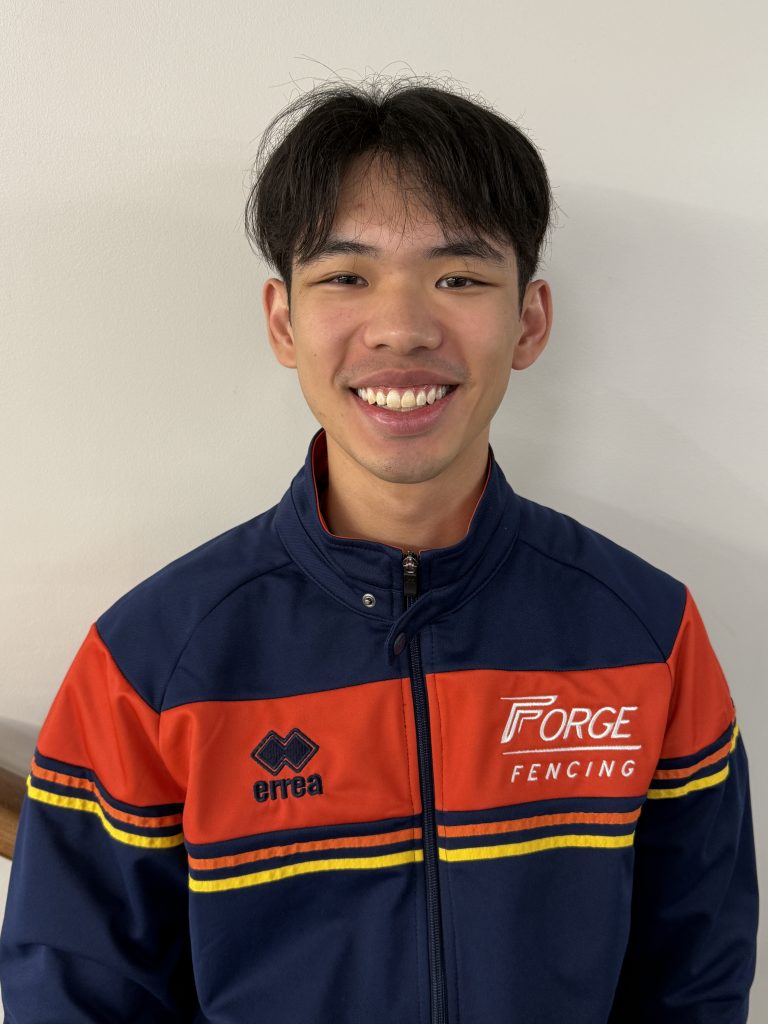
As a coach and Certified Strength and Conditioning Specialist (CSCS), he combines his psychology degree from UCLA with performance psychology principles to develop athletes both physically and mentally. Alvin aims to work at the intersection of fencing performance and rehabilitation to better serve the fencing community.
Jennifer K. Oldham, M.S., is a nationally recognized fencing coach and leader with experience in high-performance athlete development, club management and in both private club and NCAA coaching. Coach Jen combines her background in counseling psychology with extensive technical expertise to foster resilient, independent athletes.
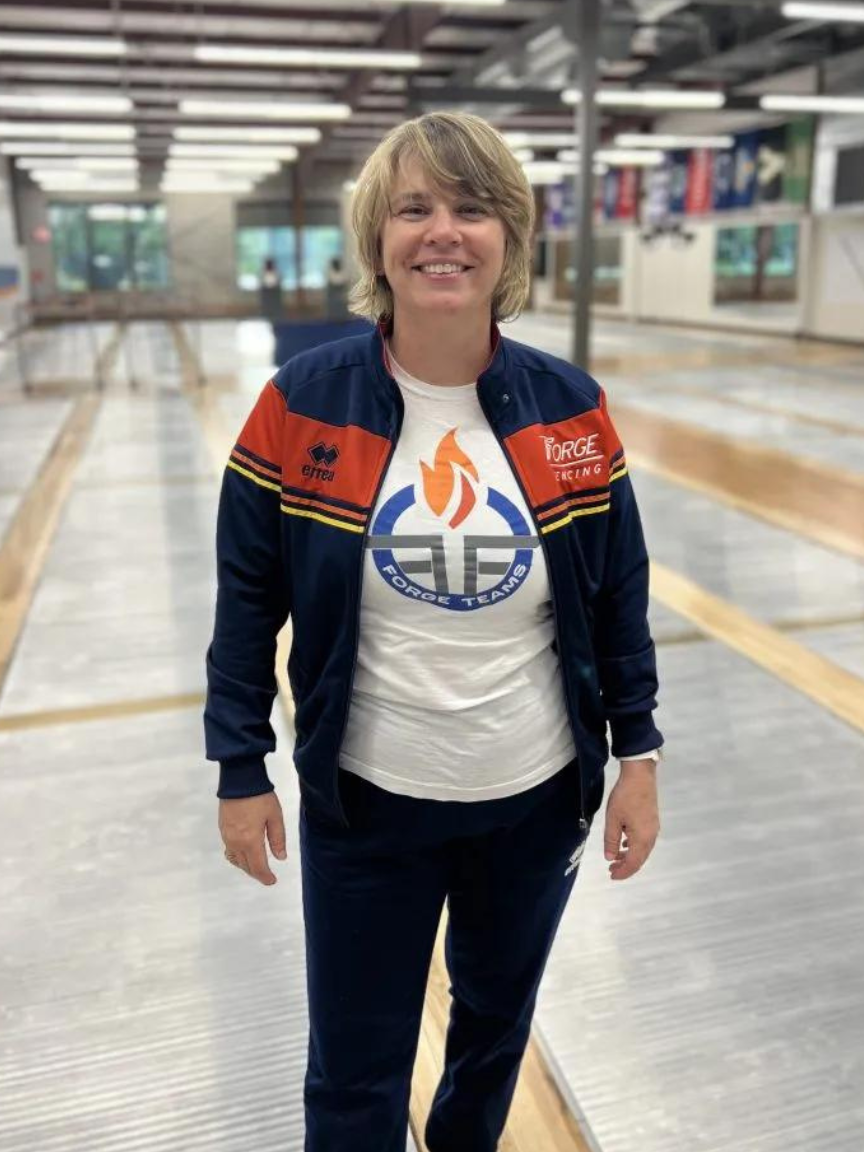
Her career includes serving as a designated coach for Team USA, chairing the US Fencing Coaches Association Certification and Accreditation Board, and co-founding WFencing to advance professional development for women in the sport. Jennifer has guided over 100 national medalists and 7 international medalists, consistently advocating for long-term coaching and athlete development programs within Team USA. She is the owner of Forge Fencing Academy and Club and consultant with Forge Sport Consulting.